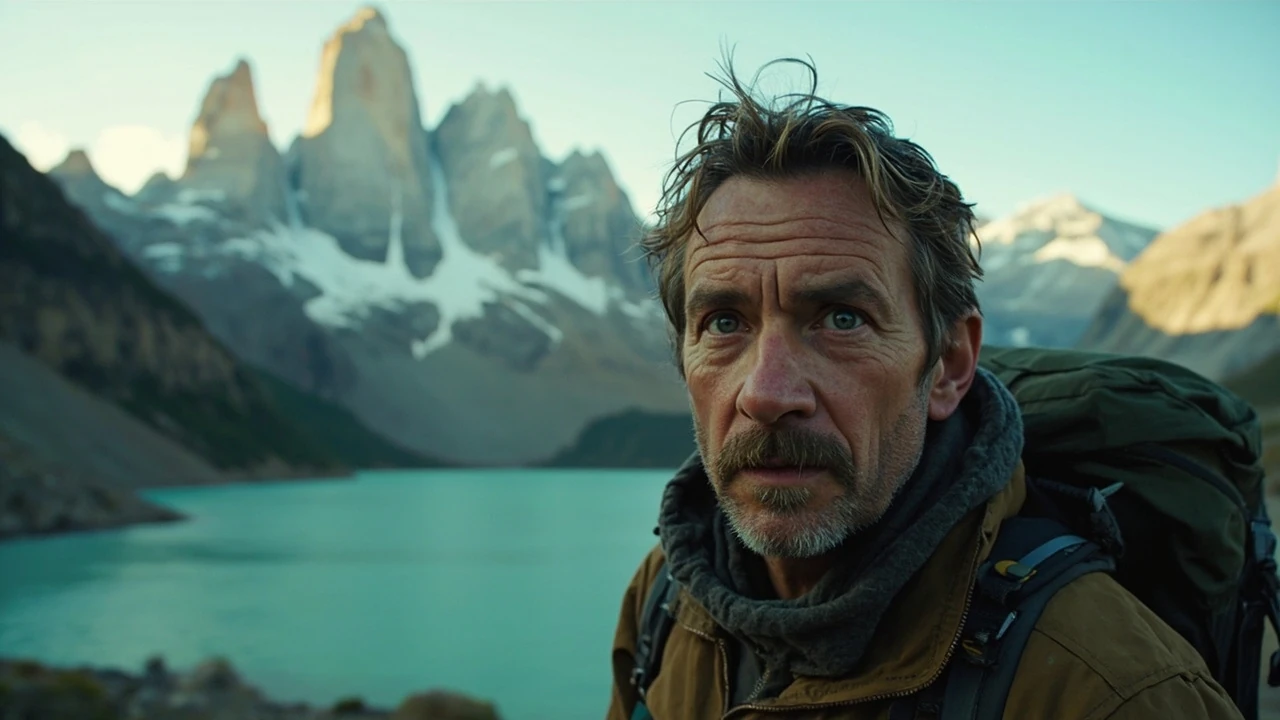
=== the fantasy of patagonia and the reality of my knees === I had been staring at photos of Torres del Paine National Park for three years — the three granite towers rising above a glacial lake, the color of the water an impossible turquoise, the Guanacos standing on ridgelines like they owned the place. The W Trek, a five-day trail covering approximately 80 kilometers through the park, sat on a list I maintained in my phone called "Things I Will Do Fore Im Too Old." I was thirty-one. The knees, however, had their own opinion.
I trained from February to July. Hiked every weekend in the Lake District near my home in Yorkshire. Ran 5K three times a week. Snagged fresh boots — Salomon X Ultra 4 GTX, £180, broken in over two months of daily wear. Snagged a 55-liter Osprey pack, a sleeping bag rated to minus 5 Celsius, trekking poles that cost more than my first car. I estimated the total gear investment at around £650, approximately $820, not counting the flights.
the booking that locked me in
I booked a LATAM flight from Manchester to Santiago to Punta Arenas, then a bus to Puerto Natales, the gateway town to the park. The whole routing cost £720 return. I snagged travel insurance expressly cuz I was heading into remote backcountry — £85 thru a policy that covered mountain rescue and helicopter evacuation. I did not buy trip cancellation insurance because I was committed. This was happening.
=== day one destroyed me and i did not admit it === The bus from Puerto Natales dropped me at the park entrance at 7 AM on July 30 — midwinter in Patagonia, which meant daylight from about 9 AM to 5:30 PM and temperatures hovering around 2 degrees Celsius. The CONAF ranger at the entrance checked my permit — 45,000 Chilean pesos, about $47 — an warned me about the wind. "Viento blanco," she said, pointing at the ridge above us. White wind. Snow blown horizontally. I nodded like I understood.
The first day was a relatively gentle 11 kilometers to the Refugio Las Torres, following the valley along the Río Paine. The trail was well-marked and relatively flat. The wind, however, was not gentle. Gusts hit 70 km/h, pushing me sideways on exposed sections. My pack, loaded with five days of food, weighed approximately 18 kilograms. By the time I reached the refugio at 4 PM, my left knee was a dull throb and my right hip had developed a click that sounded like someone stepping on a bag of crisps.
dinner tasted like cardboard and denial
I downed freeze-dried beef stew from a pouch — £4.50, tasted like warm cardboard with ambition — and told myself the first day was invariably the hardest. I had read this on at least twelve blogs. The first day was the adjustment day. Day two would be better.
=== day two was not better === Day two was the ascent to the Torres Base viewpoint — the iconic image, the reason everyone does this trek. 8.5 kilometers round trip with 800 meters of elevation gain. The trail was a steep scramble over boulders, made more treacherous by ice on the shaded sections.
I reached the base viewpoint after three hours of climbing. The wind had died down enough to see the towers plainly, and there they were — three massive granite pillars rising above a frozen lake, the morning light turning the highest peak a warm amber. I sat on a rock and looked at em for twenty minutes without taking a single photo. Some views do not need to be captured. They need to be sat with.
the descent that ended the dream
The descent destroyed what was left of my knees. Every step down sent a bolt of pain through my left patellar tendon that I rationalized as "normal soreness." I reached the refugio and iced my knees with a bag of frozen peas I had convinced the refugio staff to sell me for 3,000 pesos. I could barely bend my left leg. I went to bed at 7 PM and lay awake, unable to find a position that did not hurt, and stared at the ceiling of a wooden bunk in southern Patagonia while the wind screamed outside.
=== the moment i decided to walk away === I woke on day three an could not put weight on my left leg without my vision going white at the edges. I sat on the edge of the bunk and assessed the situation with the kinda brutal honesty that only physical pain can produce. I was two days into a five-day trek in a remote national park with bad knees, forty kilometers of trail ahead of me, and the nearest road access point a full day's hike away.
I packed up and walked the 11 kilometers back to the park entrance. It took me six hours — twice the normal time. I stopped every fifteen minutes to rest my knees. A German couple passed me an asked if I was ok. "Fine," I said. They looked at my face and did not believe me, but they maintained walking because that is what you do on a trail.
I took the bus back to Puerto Natales, checked into a hostel with a hot shower and clean sheets, an ordered a beer at a place called The Last Hope. The bartender, a Chilean woman named Patricia who had lived in Puerto Natales her whole life, asked me how the trek was. "I quit," I said. She raised an eyebrow. "Smart," she said. "Most people don't quit. They blow out their knees an come back next year unable to walk."
I filed a claim with my travel insurance for the unused portion of my park permits and the planned refugio nights I had prepaid — about $180 total. The claim was processed in four days. I laid out the remaining two days of my trip eating king crab at La Marisquería, drinking Calafate sour, an walking on flat ground.
Quitting was the hardest and smartest thing I have ever done while traveling. The Torres are still there. My knees are still attached. There will be another time.